Sleep Apnea Treatment in Coconut Creek, FL
Sleep Apnea Treatment Near You
Loud snoring, restless nights, and waking up tired can sometimes point to more than poor-quality sleep. Obstructive sleep apnea is a medical sleep disorder that repeatedly interferes with breathing during sleep and requires proper diagnosis. At Quality Dentistry, we provide sleep apnea treatment in Coconut Creek, FL, for appropriate patients as part of a care plan that may involve collaboration with a physician or sleep specialist.
If you are considering sleep apnea treatment near you, a dental evaluation can help determine whether an oral appliance may be suitable after your condition is properly diagnosed. We consider your diagnosis, symptoms, oral health, and individual needs before discussing treatment.
What Is Sleep Apnea?
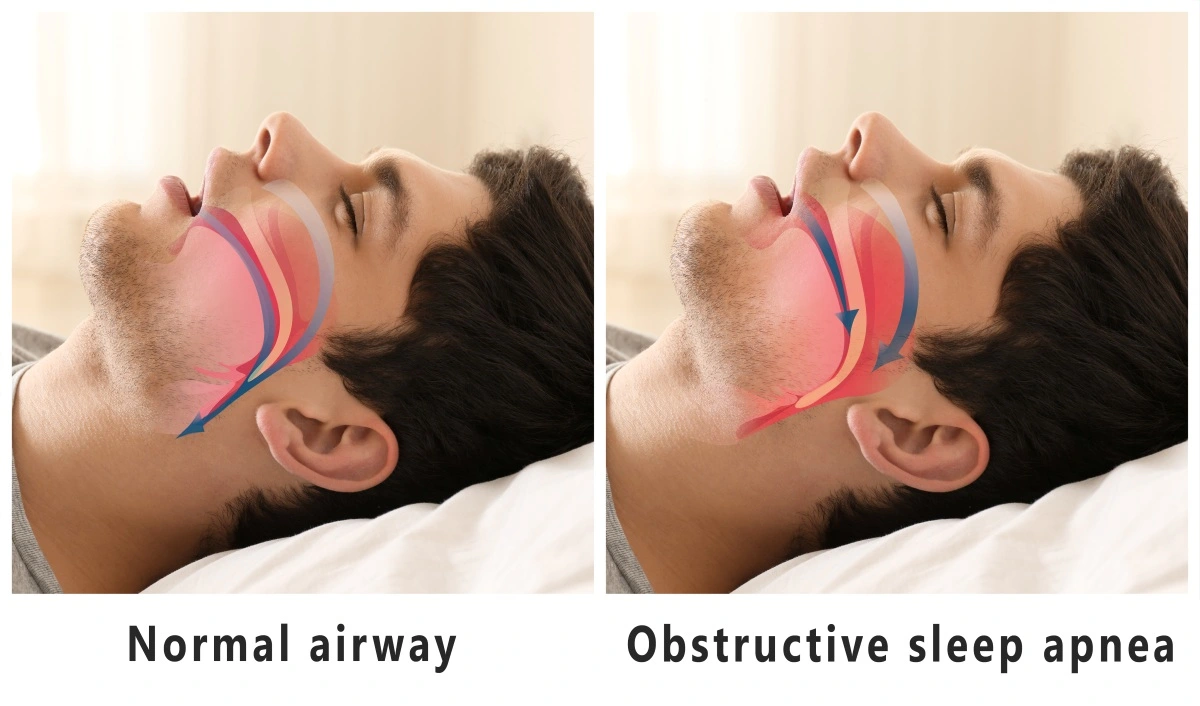
Obstructive sleep apnea happens when the upper airway repeatedly becomes partially or completely blocked during sleep. These interruptions reduce airflow and disrupt normal sleep.
Snoring can be a symptom of obstructive sleep apnea, but snoring alone does not confirm a diagnosis. Diagnosis requires an appropriate medical evaluation, which may include an overnight sleep study or home sleep apnea test.
When you visit our dentist in Coconut Creek, FL, we can evaluate your teeth, bite, jaw, and other oral structures to determine whether oral appliance therapy may be suitable after a medical diagnosis.
When Should You Seek an Evaluation?
Sleep apnea can present differently from one patient to another. Some individuals first become aware of a possible problem because a partner notices unusual breathing during the night.
Talk with a medical provider if you experience concerns such as:
Loud and frequent snoring
Reported pauses in breathing while you are asleep
Waking suddenly and gasping for air
Dry mouth when you wake
Headaches in the morning
Poor-quality sleep
Excessive daytime sleepiness
Symptoms alone cannot establish a diagnosis. If you suspect sleep apnea but haven’t been diagnosed, a medical evaluation is an important next step.
If you have already been diagnosed with obstructive sleep apnea and want to explore oral appliance therapy, a dentist near you who provides this treatment can evaluate whether your dental health and oral structures make an appliance an appropriate option.
How Can a Dentist Help With Sleep Apnea?
For selected patients, a custom oral appliance can be used to help manage obstructive sleep apnea. These appliances are worn while sleeping and generally work by holding the lower jaw in a position intended to help keep the upper airway more open.
Oral appliance therapy may be appropriate for some patients with obstructive sleep apnea depending on their diagnosis, treatment recommendations, dental health, preferences, and individual needs.
Potential advantages include:
Custom fit
The appliance is made according to your mouth and bite.
Non-surgical approach
Treatment does not involve an operation.
Compact design
An oral appliance is relatively small and portable.
No mask or tubing
It functions differently from CPAP equipment.
Adjustable treatment
Certain appliances can be modified gradually when appropriate.
Dental monitoring
Your teeth, gums, bite, and appliance can be checked during follow-up visits.
An oral appliance does not cure sleep apnea, and it is not appropriate for every patient.
What Does Oral Appliance Treatment Involve?
When providing sleep apnea treatment in Coconut Creek, FL, we first determine whether your dental health and treatment circumstances make oral appliance therapy an appropriate option.
The process may include:
Reviewing your diagnosis
We consider available information about your sleep apnea and medical recommendations.
Examining your mouth
We assess your teeth, gums, jaw, and bite.
Taking dental records
We may take digital scans or other records to plan the appliance.
Creating the appliance
We make a custom device to fit your mouth.
Checking the fit
We evaluate comfort and how the appliance sits on your teeth.
Making adjustments
We may gradually modify the device according to the treatment plan.
Monitoring your response
Follow-up helps us assess fit, oral health, and any side effects.
Your medical provider or sleep specialist may recommend follow-up sleep testing to determine how effectively the therapy is controlling your condition.
What Should You Expect From an Oral Appliance?
It can take time to become accustomed to sleeping with a dental appliance. Some patients initially notice increased saliva, dry mouth, tooth sensitivity, jaw discomfort, or changes in how their bite feels after removing the device.
If you are considering sleep apnea treatment near you, regular follow-up is important. Long-term oral appliance use can affect tooth position or your bite, which is why ongoing dental monitoring matters.
The appliance also needs regular cleaning and should be checked for wear or damage.
Why Choose Quality Dentistry for Sleep Apnea Treatment?
Sleep apnea care often involves both dental and medical considerations. At Quality Dentistry, we approach oral appliance therapy as part of your broader health rather than treating it as an isolated dental concern.
Our approach includes:
Whole-mouth approach
Dr. George Sifain considers breathing, bite function, tooth structure, oral health, and other factors relevant to your evaluation for oral appliance therapy.
Conservative treatment philosophy
We recommend dental treatment based on what is clinically appropriate rather than taking a one-size-fits-all approach.
Personalized, unhurried care
We take time to discuss your diagnosis, treatment options, concerns, and what you can realistically expect from an oral appliance.
Digital dentistry
When appropriate, we can use intraoral scanning and other digital records to support custom appliance planning.
Collaborative care
We can coordinate with physicians, sleep specialists, and other healthcare professionals when your treatment requires medical evaluation, follow-up testing, or additional care.
Explore Your Sleep Apnea Treatment Options
If you have been diagnosed with obstructive sleep apnea and want to know whether an oral appliance could be appropriate, contact Quality Dentistry. We can evaluate your dental needs and discuss where oral appliance therapy may fit into your overall sleep apnea care.
FAQs
Can an oral appliance replace CPAP?
For some patients, oral appliance therapy may be used as an alternative to CPAP, depending on the diagnosis, treatment recommendations, individual preferences, dental health, and response to treatment.
Can a dentist diagnose obstructive sleep apnea?
A dentist can screen for possible signs and risk factors and evaluate whether oral appliance therapy may be appropriate, but a medical provider diagnoses obstructive sleep apnea.
Will an oral appliance stop my snoring completely?
No specific result can be guaranteed. Snoring may improve in some patients, but treatment should focus on managing diagnosed sleep apnea appropriately.
Do I have to wear the appliance every night?
Consistent use is generally important for oral appliance therapy to work while you are sleeping. Follow the recommendations given for your individual treatment.
How often does a sleep apnea appliance need to be checked?
Regular follow-up is important to assess the appliance, your oral health, your bite, and any changes that develop over time.