
Oral & Maxillofacial Surgery in Coconut Creek, FL
Oral & Maxillofacial Surgery Near You
Some dental concerns extend beyond routine restorative care and require a surgical approach. A severely damaged tooth, complex extraction, bone-related concern, or preparation for another procedure may call for careful surgical planning. At Quality Dentistry, we provide oral & maxillofacial surgery in Coconut Creek, FL, when surgical treatment fits your dental needs.
If you are looking for oral & maxillofacial surgery near you, the first step is a thorough evaluation. We examine the area, review your health history, and use diagnostic imaging when needed to understand the surrounding teeth, bone, and other structures before recommending treatment.
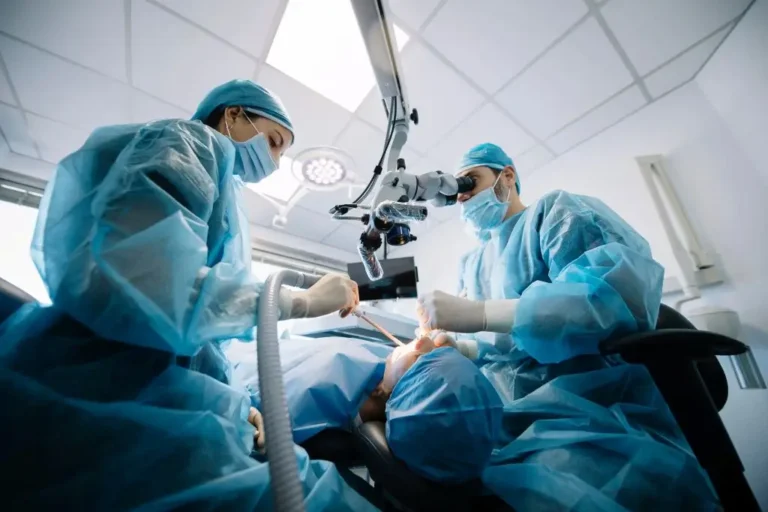
What Is Oral & Maxillofacial Surgery?
Oral and maxillofacial surgery encompasses surgical procedures involving the mouth, teeth, jaws, and related structures. Within dental care, this may include certain tooth extractions, bone grafting, implant-related procedures, and other surgical treatment involving the teeth and supporting structures.
The complexity of these procedures varies considerably. We can manage some surgical dental procedures in the office, while more complex conditions may require care from an appropriate specialist.
When you visit our dentist in Coconut Creek, FL, we can evaluate the problem and determine the appropriate level of surgical care.
When Might Oral Surgery Be Needed?
We generally consider surgery when a dental problem cannot be adequately managed with a less invasive approach or when a procedure is needed to prepare for future treatment.
Consider speaking with a dentist near you if you have:
Persistent symptoms that require further evaluation
Not every difficult dental problem requires surgery. We first determine whether we can treat the tooth or surrounding tissues conservatively.
What Procedures May Be Included?
The type of surgery we recommend depends on the condition being treated. Your care may involve one procedure or a sequence of treatments.
Procedures may include:
Tooth extractions
We may need to remove teeth that cannot reasonably be maintained.
Bone grafting
We may consider grafting when an area needs additional bone volume, particularly in preparation for dental implants.
Sinus lift procedures
Ridge augmentation
Implant-related surgery
What Are the Benefits of Oral Surgery?
Surgical treatment has different purposes depending on the underlying condition.
Potential benefits include:
Addresses complex problems
Surgery can provide access to areas that routine dental procedures cannot adequately treat.
Removes non-restorable teeth
Extraction can address severely compromised teeth when preserving them is no longer appropriate.
Supports future restoration
Certain procedures can prepare an area for dental implants or other restorative treatment.
Addresses bone or tissue deficiencies
Grafting and related procedures can help prepare an area for future treatment.
Coordinates complex care
Surgery may form part of a broader restorative or implant treatment plan.
Provides targeted treatment
How Does Oral & Maxillofacial Surgery Work?
When providing oral & maxillofacial surgery in Coconut Creek, FL, we plan your care according to the procedure and the anatomy of the treatment area.
Your care may involve:
Clinical examination
We evaluate the teeth and surrounding tissues.
Diagnostic imaging
We may use X-rays or CBCT imaging when appropriate.
Medical history review
We review relevant health conditions and medications before surgery.
Treatment planning
We explain the procedure, alternatives, and expected recovery.
Anesthesia planning
We determine the appropriate approach based on the procedure and your individual needs.
Surgical treatment
We perform the planned procedure using an approach suited to the treatment area.
Follow-up
What Should You Expect After Surgery?
Recovery varies according to the procedure. Temporary swelling, tenderness, or minor bleeding can occur after many types of oral surgery. We will give you instructions about eating, cleaning the area, activity, and any medications we prescribe or recommend.
If you are seeking oral & maxillofacial surgery near you, following your postoperative instructions is an important part of recovery. Contact our team if you develop unexpected or concerning symptoms.
Why Choose Quality Dentistry for Oral Surgery?
Surgical treatment should have a clear clinical purpose and fit into your broader dental care. At Quality Dentistry, we combine careful planning with a conservative, personalized approach.
Our approach includes:
Conservative treatment philosophy
We consider whether surgery is genuinely necessary and whether a less invasive approach can reasonably address the problem before recommending surgical care.
Advanced 3D imaging
In-office CBCT imaging can provide detailed views of the teeth, jawbone, nerves, sinuses, and surrounding structures when three-dimensional information can improve surgical planning.
Radiologist review when appropriate
We can send CBCT scans to a licensed dental radiologist for an independent review and written diagnostic report when additional interpretation would benefit your care.
Digital implant planning
For implant-related surgery, digital imaging and computer-guided technology can support detailed treatment planning.
Personalized, unhurried care
We take time to explain why we recommend a procedure, review your options, and answer your questions before treatment.
Collaborative care
We work with dental specialists, radiologists, and medical professionals when a case requires additional expertise or falls outside the appropriate scope of treatment in our office.
Support for healing
Quality Dentistry may use platelet-rich fibrin (PRF) in appropriate surgical cases as part of the healing process.
Plan Your Surgical Care With Confidence
If a dental condition requires surgery, we help you understand the treatment, your options, and what to expect during recovery. Contact Quality Dentistry to schedule an evaluation and determine the appropriate next step for your care.
FAQs
Does needing oral surgery mean my dental problem is severe?
Not always. Some procedures address damaged or infected teeth, while others prepare an area for planned restorative or implant treatment.
Can several surgical procedures be completed together?
Sometimes. Whether we can combine procedures depends on the treatment involved, your health, and your individual treatment plan.
What happens if my case requires a specialist?
If your surgical needs require specialist-level care, we will explain why and discuss an appropriate referral rather than attempting treatment that is not suitable for our office.
Will I need CBCT imaging before surgery?
Not for every procedure. We may recommend CBCT imaging when three-dimensional information about the teeth, bone, nerves, sinuses, or other nearby structures would help us plan treatment.
How long does recovery take after oral surgery?
Recovery varies according to the type and extent of surgery. We will explain what to expect based on your specific procedure.