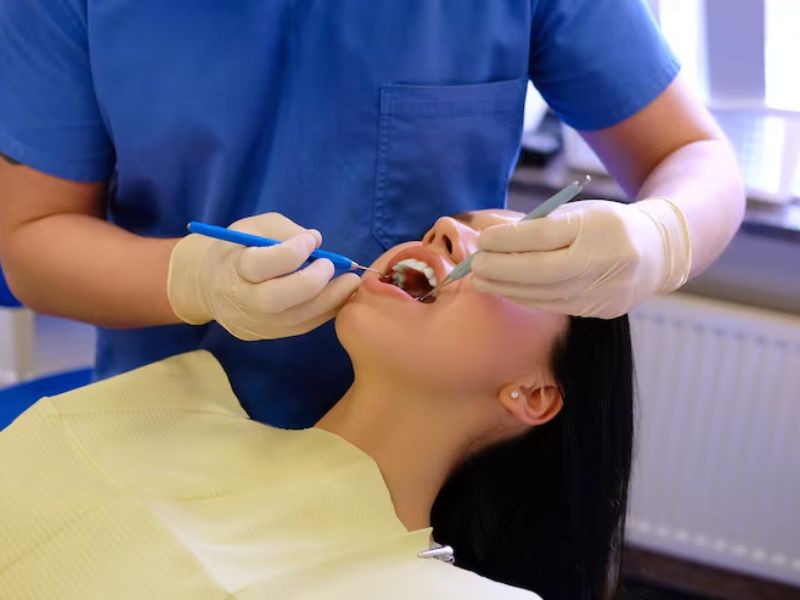
Full mouth reconstruction may be a good option if you have several damaged, missing, or worn-down teeth. It combines different dental treatments to help you chew better, keep your mouth healthy, and improve the look of your smile. Whether this treatment is right for you depends on the health of your teeth and gums, your needs, your overall health, and your budget. Full-mouth reconstruction in Coconut Creek may include crowns, fillings, dental implants, bridges, or other treatments, depending on your needs. Since treatment may require several visits and be costly, learning about its benefits, limitations, and the care needed afterward can help you decide whether it is the right choice for you.
What Is Full Mouth Reconstruction?
Full mouth reconstruction is a personalised treatment plan that repairs or replaces multiple teeth in the upper and lower jaws. It may be recommended when several dental problems affect chewing, comfort, or the health of the remaining teeth.
Depending on the condition of the mouth, treatment may include:
- Dental crowns: Cover and protect teeth that have lost much of their healthy structure.
- Fillings: Repair areas of the tooth damaged by tooth decay.
- Dental bridges: Replace one or more missing teeth by using nearby teeth or other support.
- Dental implants: Replace missing tooth roots and support replacement teeth.
- Gum treatment: Addresses gum disease before or during restorative care, as appropriate.
Not everyone needs every treatment. The plan depends on which teeth can be saved, which need replacement, and how the teeth fit together.
What Are the Benefits of Full Mouth Reconstruction?
The benefits depend on the treatments involved and the condition of the teeth before care begins. The main goal is to improve oral function while protecting the remaining healthy teeth.
1. Better Chewing
Damaged or missing teeth can make it hard to bite and chew food. Fixing or replacing these teeth may help you chew more easily and feel more comfortable when eating. The results depend on the treatment and the condition of your other teeth.
2. Protecting Damaged Teeth
Teeth weakened by large cavities, cracks, or wear may need extra support. A dental crown can cover and protect a weak tooth from further damage. However, it cannot prevent all future cracks or cavities.
3. A Better-Looking Smile
Fixing or replacing damaged or missing teeth may improve their shape, colour, and appearance. This can help make your smile look more even. The results depend on the condition of your teeth, the materials used, and the treatment plan.
4. Support for Long-Term Oral Health
Treating decay, gum disease, and damaged teeth can help reduce the risk of some problems becoming more serious. Good daily cleaning and regular dental visits at a dental office near you remain necessary to maintain the results.
5. One Plan for Several Dental Problems
Full-mouth reconstruction combines multiple treatments into a single plan to address several dental problems. This helps ensure the treatments work well together and helps you chew comfortably and use your teeth better.
Who Is a Good Candidate for Full Mouth Reconstruction?
Understanding who is a good candidate for full-mouth reconstruction starts with a comprehensive dental examination. It may be suitable for someone who has several missing teeth, extensive tooth decay, severe tooth wear, broken teeth, or older dental work that needs repair or replacement.
A suitable candidate may have:
- Several teeth that need major repairs.
- Missing teeth that affect chewing.
- Worn teeth caused by grinding or other factors.
- Damaged teeth that affect the way the bite fits together.
- A need to combine several restorative treatments.
Healthy gums are important for long-lasting results. If gum disease is present, it may need treatment first. Other health conditions, smoking, and teeth grinding may also affect healing or the success of certain treatments.
How Much Does Full Mouth Reconstruction Cost?
The cost varies widely because each treatment plan is different. The total may depend on the number of teeth involved, the materials used, whether implants are needed, and whether gum treatment or other care must happen first.
Before starting treatment, ask for a written plan that explains:
- Each recommended treatment and its cost.
- Which treatments are urgent and which may wait.
- How many appointments may be needed.
- Expected healing time between treatment stages.
- Available payment options and possible insurance coverage.
A dental office in Coconut Creek can review treatment options and explain expected costs after an examination. Comparing the benefits, risks, and long-term maintenance needs can help you decide whether the plan fits your health needs and budget.
Explore Your Options for a Stronger, Healthier Smile!
Living with damaged, worn, or missing teeth can make everyday tasks like chewing feel more difficult. The right dental treatment plan can help restore tooth function, protect remaining teeth, and improve the appearance of your smile. Quality Dentistry of Coconut Creek can help you understand which treatments may suit your needs, what the process involves, and how to plan for long-term care. Schedule an appointment to discuss your concerns, review the possible benefits and costs, and take an informed step toward better oral health.
FAQs
Is full mouth reconstruction painful?
Dentists use methods to help keep you comfortable during treatment. You may feel some soreness after the treatment. The amount of discomfort depends on the type of treatment and how your body heals.
How long does full mouth reconstruction take?
It may take several weeks or months, depending on the number of treatments and healing time required. Implant treatment often takes longer than simpler repairs.
Can dental implants replace all missing teeth?
Not everyone can get dental implants. The health of your gums and jawbone, your medical history, and other factors affect whether implants are right for you. Your dentist may suggest a bridge or another option if implants are not suitable.
How can you tell if full mouth reconstruction is worth the cost?
Think about whether the treatment can help you chew better, repair damaged teeth, or replace missing teeth. A clear treatment plan can help you understand the benefits, risks, total cost, and care needed after treatment.