
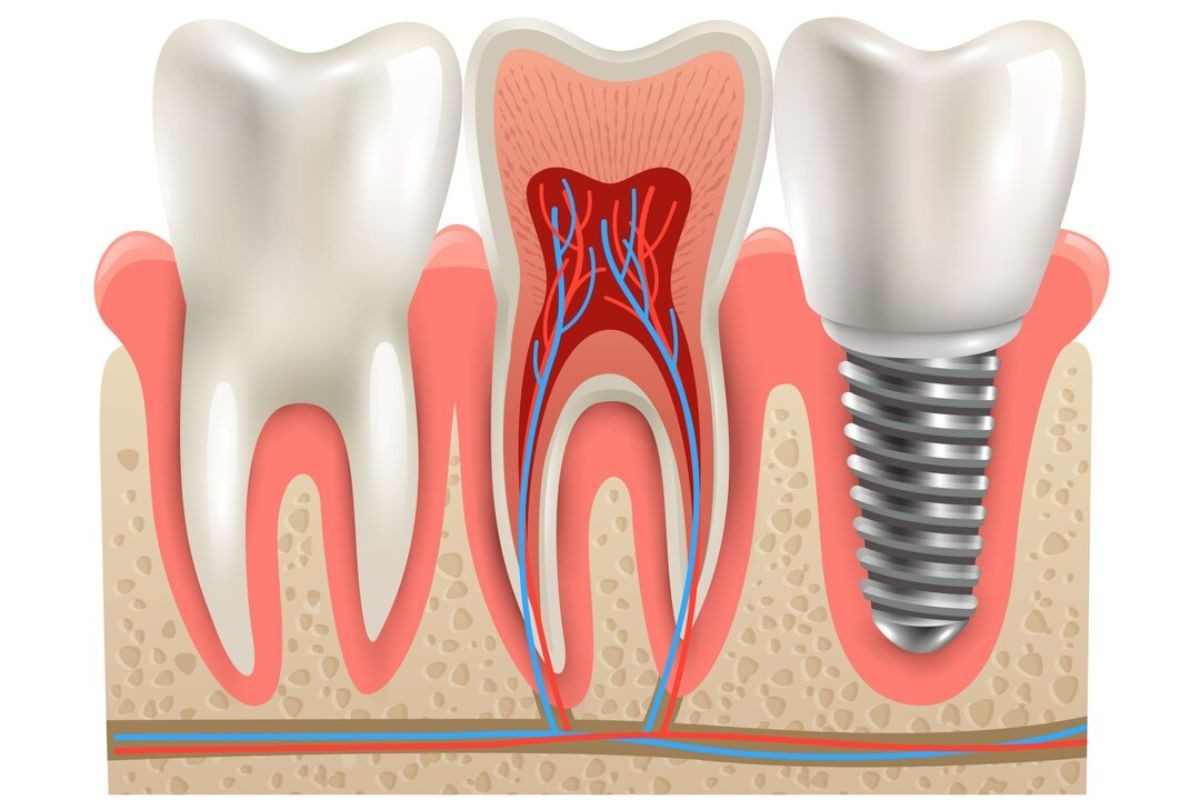
Tooth pain or deep decay does not always mean you need a root canal. Some teeth can be treated with a filling or crown, while badly damaged teeth may need to be removed. The right treatment depends on how much damage the tooth has and whether the inside of the tooth is healthy. A CBCT scan produces detailed 3D images of the tooth roots and surrounding bone. It helps the dentist find problems that may not show clearly on regular X-rays. After checking your tooth, your dentist can discuss root canal therapy in Coconut Creek, FL, as well as other treatment options to help keep your mouth healthy.
Can a Tooth Be Saved Without a Root Canal?
Yes, some damaged teeth can be treated without a root canal if the inner tissue is still healthy or the damage has not reached it. The right option depends on the condition of the tooth and the source of the pain.
Possible alternatives include:
- Dental filling: A filling may repair a cavity when decay has not reached the inner tissue of the tooth.
- Dental crown: A crown can cover and protect a weakened or cracked tooth when the inner tissue does not need treatment.
- Monitoring: Small cracks or minor changes may sometimes be monitored if there is no infection or serious damage.
- Tooth extraction: Removing the tooth may be considered when it cannot be repaired or saved.
If the inner tissue is infected or cannot recover, these options may not resolve the problem. A dental examination is needed before choosing an alternative.
What Does a CBCT Scan Show Before a Root Canal?
A CBCT scan for root canal creates detailed three-dimensional images of the teeth, roots, and surrounding jawbone. It can help identify problems that may not be clear on regular dental X-rays.
A CBCT scan may help show:
- Root shape: The number, length, and position of tooth roots.
- Hidden canals: Additional or unusually shaped root canals that may affect treatment.
- Infection: Changes in the bone around the root that may suggest an infection.
- Cracks or damage: Certain areas of damage that may need closer examination.
- Nearby structures: The position of important structures around the tooth.
A CBCT scan is not needed for every root canal case. It is usually recommended when more detailed images are needed to understand a complex problem or plan treatment.
How Does a CBCT Scan Help Choose the Right Treatment?
A CBCT scan helps the dentist understand the extent and location of damage, but it does not decide the treatment on its own. The images are considered along with symptoms, examination findings, and other dental X-rays.
For example:
- If decay is limited and the inner tissue is healthy, a filling may be enough.
- If the tooth is weak but the inner tissue is healthy, a crown may help protect it.
- If infection has reached the inner tissue, root canal treatment may be needed to save the tooth.
- If the tooth has severe damage that makes it impossible to restore, extraction may be considered.
A dentist in Coconut Creek can explain what the scan shows and whether further testing is needed before treatment.
Root Canal or Extraction: Which Is Better?
Saving a natural tooth is often preferred when it can be treated successfully. However, extraction may be the better option when the tooth is too damaged to restore or has a poor chance of lasting after treatment.
Consider these differences:
- Root Canal: This treatment removes the infected part from inside the tooth. The dentist cleans the inside of the tooth and seals it to prevent further infection. A crown may also be needed to protect the tooth.
- Extraction: This means removing a damaged tooth when it cannot be saved or when removing it is the best choice.
After removing a tooth, you may need a dental implant, bridge, or another option to fill the space. The right choice depends on the condition of your tooth, nearby teeth, jawbone, and overall dental health.
When Should You Seek a Dental Assessment?
Tooth pain, swelling, or sensitivity that does not improve should be checked by a dentist. An untreated infection can spread and lead to more serious problems.
Seek prompt dental care if you notice:
- Pain when biting or chewing.
- Sensitivity to hot or cold that lingers.
- Swelling around the tooth or gums.
- A small bump on the gums near a painful tooth.
- A darkened or discoloured tooth.
Facial swelling with fever, difficulty swallowing, or difficulty breathing needs urgent medical attention.
Get the Right Care for a Damaged Tooth
Choosing the right treatment starts with understanding what is causing the problem and how much of the tooth can be saved. A detailed examination and suitable imaging can help clarify the available options. Contact Quality Dentistry of Coconut Creek to discuss your symptoms, review your treatment choices, and arrange a dental assessment.
FAQs
Can antibiotics replace a root canal?
No. Antibiotics may be prescribed when an infection spreads or causes certain symptoms, but they cannot remove infected tissue from inside a tooth. The source of the infection still needs dental treatment.
Does a CBCT scan always show a tooth infection?
No. A CBCT scan may show changes in the bone around a tooth that suggest infection, but it cannot confirm every type of infection. The dentist also considers symptoms and examination findings.
Is a root canal better than removing a tooth?
If a tooth can be restored, a root canal may help preserve it. Extraction may be more suitable when the damage is too severe to repair.
Is a CBCT scan painful?
No. The scan itself is painless and does not require anything to be placed inside the tooth. The machine takes images while the head stays still.