
Bone Grafting in Coconut Creek, FL
Bone Grafting Near You
Your jawbone provides the foundation that supports your teeth and, when needed, dental implants. After a tooth is lost or removed, however, the bone in that area can change over time. At Quality Dentistry, we provide bone grafting in Coconut Creek, FL, when your dental treatment plan needs additional bone support.
If you are looking for bone grafting near you, we first evaluate the area to understand how much bone is present and why grafting may be recommended. Not every extraction or implant case requires a bone graft, so we base treatment on your individual anatomy and needs.
What Is Bone Grafting?
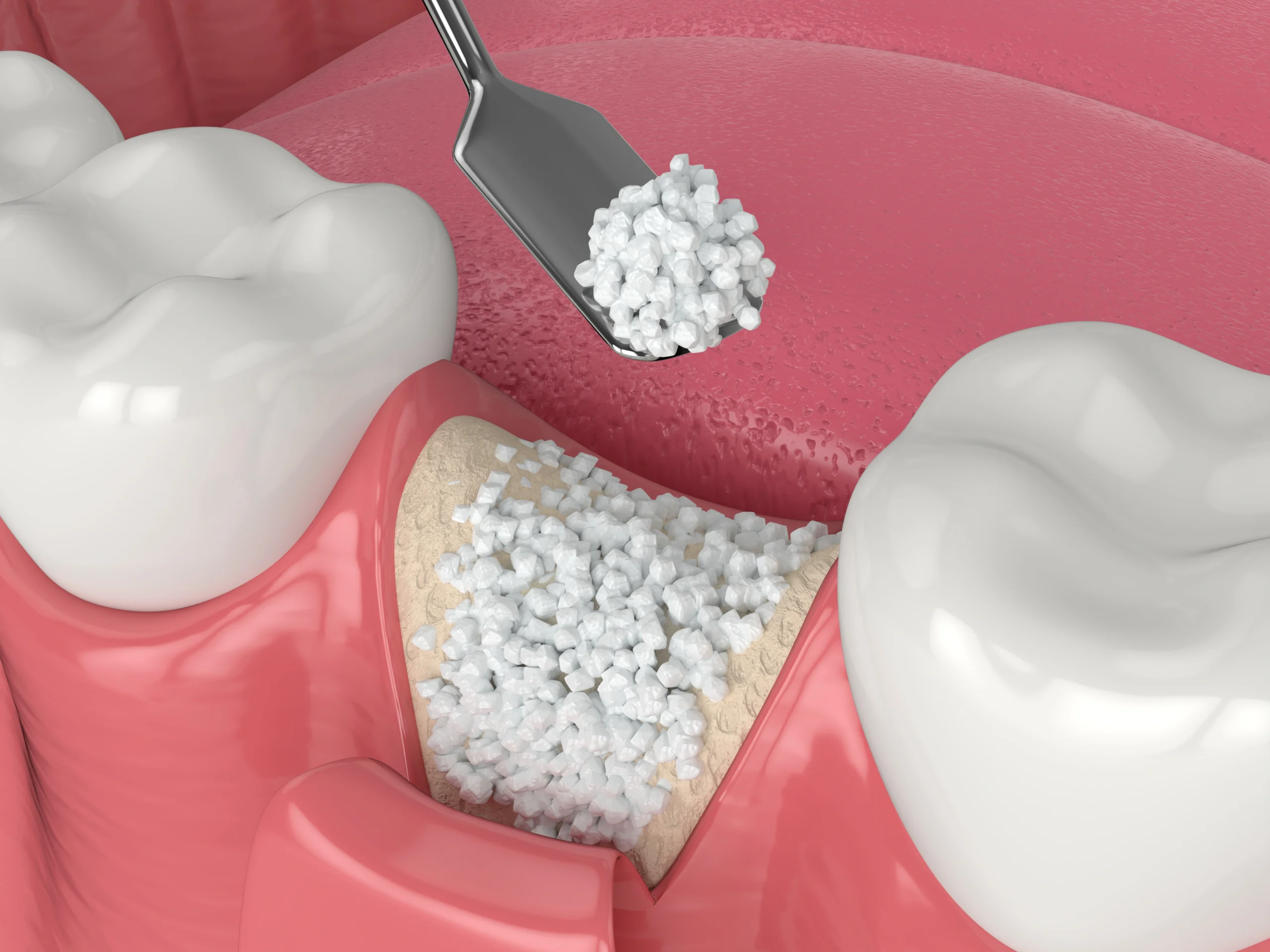
Dental bone grafting is a procedure used to add grafting material to an area where the jawbone needs additional volume or support. Over time, the grafted area can provide a framework for new bone formation as it heals.
We may use different graft materials and techniques depending on the location and purpose of treatment. We may perform bone grafting around the time of an extraction, before implant placement, or as part of another surgical procedure.
When you visit our dentist in Coconut Creek, FL, we can determine whether your available bone is adequate for the planned treatment or whether grafting should be considered.
When Might You Need Bone Grafting?
Bone loss can occur for several reasons, including tooth loss, periodontal disease, infection, or changes that happen after an extraction. We determine whether you need grafting through an examination and appropriate imaging.
Consider seeing a dentist near you if:
You are planning to replace a missing tooth with an implant
A tooth needs extraction before future implant treatment
You have been told there is insufficient bone for an implant
Bone has been lost around a missing tooth
Periodontal disease has affected supporting structures
A previous extraction site has changed significantly
You want to understand your implant treatment options
Needing a bone graft does not necessarily mean something has gone wrong. In some cases, it is simply a preparatory step that helps create better conditions for planned treatment.
What Are the Benefits of Bone Grafting?
The purpose of grafting will depend on why the procedure is needed. Potential benefits include:
Rebuilding lost volume
Grafting can add material in areas where the jawbone has diminished.
Preparing for implants
Additional bone may provide the support needed for future implant placement.
Supporting extraction sites
We may use grafting to help preserve bone dimensions after certain extractions.
Addressing localized defects
We can sometimes treat specific areas of bone loss rather than involving a larger region.
Expanding treatment possibilities
Improving available bone may make certain restorative plans possible.
Supporting long-term planning
We can coordinate grafting with the intended implant or restoration from the beginning.
We explain why grafting is being recommended in your particular case rather than treating it as a routine step for everyone.
How Does the Bone Grafting Process Work?
The exact procedure varies according to the location and amount of bone needed. The process may include:
Assessing the site
We examine the gums, teeth, and surrounding structures.
Reviewing diagnostic images
We may use CBCT imaging when we need a detailed view of the bone.
Preparing the area
We access and prepare the treatment site for the graft.
Placing graft material
We position the selected graft material where additional bone support is needed.
Protecting the site
We may place a membrane or other material depending on the procedure.
Closing the area
We secure the surgical site so healing can begin.
Monitoring recovery
We evaluate how the area is healing during follow-up visits.
The graft usually needs time to heal before certain later procedures can be completed. The timeline varies according to the extent of grafting and your individual healing response.
What Should You Expect After Bone Grafting?
Tenderness, swelling, minor bleeding, or bruising can occur after the procedure. These effects generally improve as healing progresses. We provide instructions based on the type of graft you receive.
Avoid disturbing the surgical site while it heals. You may also need to modify your diet temporarily and clean the area differently from the rest of your mouth.
If you are looking for bone grafting near you, follow-up appointments matter because we need to assess healing before moving to the next stage of treatment.
How Can You Support Healing After a Bone Graft?
Follow the aftercare instructions provided for your particular procedure. Keep your mouth clean while being gentle around the surgical area, and take prescribed or recommended medications as directed.
Smoking and tobacco use can interfere with healing, so discuss your tobacco use with us before treatment. Contact us if you develop worsening swelling or pain, persistent bleeding, fever, pus or unusual drainage, or another concerning change.
Do not assume that feeling better means the graft has completely healed. Bone healing continues beyond the early recovery period.
Why Choose Quality Dentistry for Bone Grafting?
Bone grafting is often one part of a larger treatment plan. At Quality Dentistry, we consider your current anatomy along with the implant or restorative treatment that may follow.
You can expect:
Whole-mouth and conservative approach
Dr. George Sifain considers your bone, gums, bite, tooth structure, existing dental work, and long-term restorative needs, and recommends only treatments with a clear purpose.
In-office CBCT/3D imaging
Detailed three-dimensional imaging can help us evaluate bone volume and surrounding anatomy when planning grafting or implant treatment.
Radiologist review when appropriate
We can send CBCT scans to a licensed dental radiologist for an independent review and written diagnostic report when additional interpretation would benefit your care.
Advanced implant and full-mouth care
Quality Dentistry provides bone grafting as part of a broader range of implant and full-mouth treatment options, allowing us to plan the graft with future treatment in mind.
Personalized, unhurried care
We take time to explain why grafting may be necessary, what the procedure involves, and how it fits into your overall treatment plan.
Collaborative care
For complex cases, we can coordinate treatment with dental specialists, radiologists, and other healthcare professionals when needed.
Build a Stronger Foundation for Future Treatment
If there is not enough bone for a planned procedure, grafting may help prepare the area rather than forcing treatment into unsuitable conditions. At Quality Dentistry, we recommend bone grafting in Coconut Creek, FL, based on your anatomy and the goals of your overall dental plan.
Contact our team to schedule an evaluation and learn whether bone grafting may be appropriate for your needs.
FAQs
Where does bone graft material come from?
Graft material can come from several sources, including your own bone, processed human donor bone, animal-derived material, or synthetic material. The appropriate option depends on the procedure and your individual needs.
Can I have a bone graft and dental implant at the same appointment?
Sometimes. Whether we can perform both procedures at the same appointment depends on the amount and condition of your existing bone, the type and extent of grafting needed, and whether we can achieve adequate implant stability.
How long does a dental bone graft take to heal?
Healing time varies depending on the procedure, graft size, location, and how your body responds. We monitor the area to determine when you can move forward with the next stage of treatment.
Can a bone graft fail?
Yes. Successful healing cannot be guaranteed. Factors such as infection, smoking, certain health conditions, and the size or location of the graft can affect healing.
Will I always need bone grafting after an extraction?
No. Whether we recommend grafting depends on the extraction site, your anatomy, and the planned treatment.