
CBCT Imaging in Coconut Creek, FL
CBCT Imaging Near You
Some dental concerns need more than a standard two-dimensional X-ray to understand clearly. When we need a detailed view of your teeth, bone, or surrounding structures, three-dimensional imaging can provide valuable information. At Quality Dentistry, we use CBCT imaging in Coconut Creek, FL, when the additional detail can help with diagnosis or treatment planning.
If you are looking for CBCT imaging near you, our team can determine whether this type of scan is appropriate for your needs. CBCT is particularly useful when planning certain procedures, including dental implant treatment, where understanding the underlying anatomy is important.
What Is CBCT Imaging?
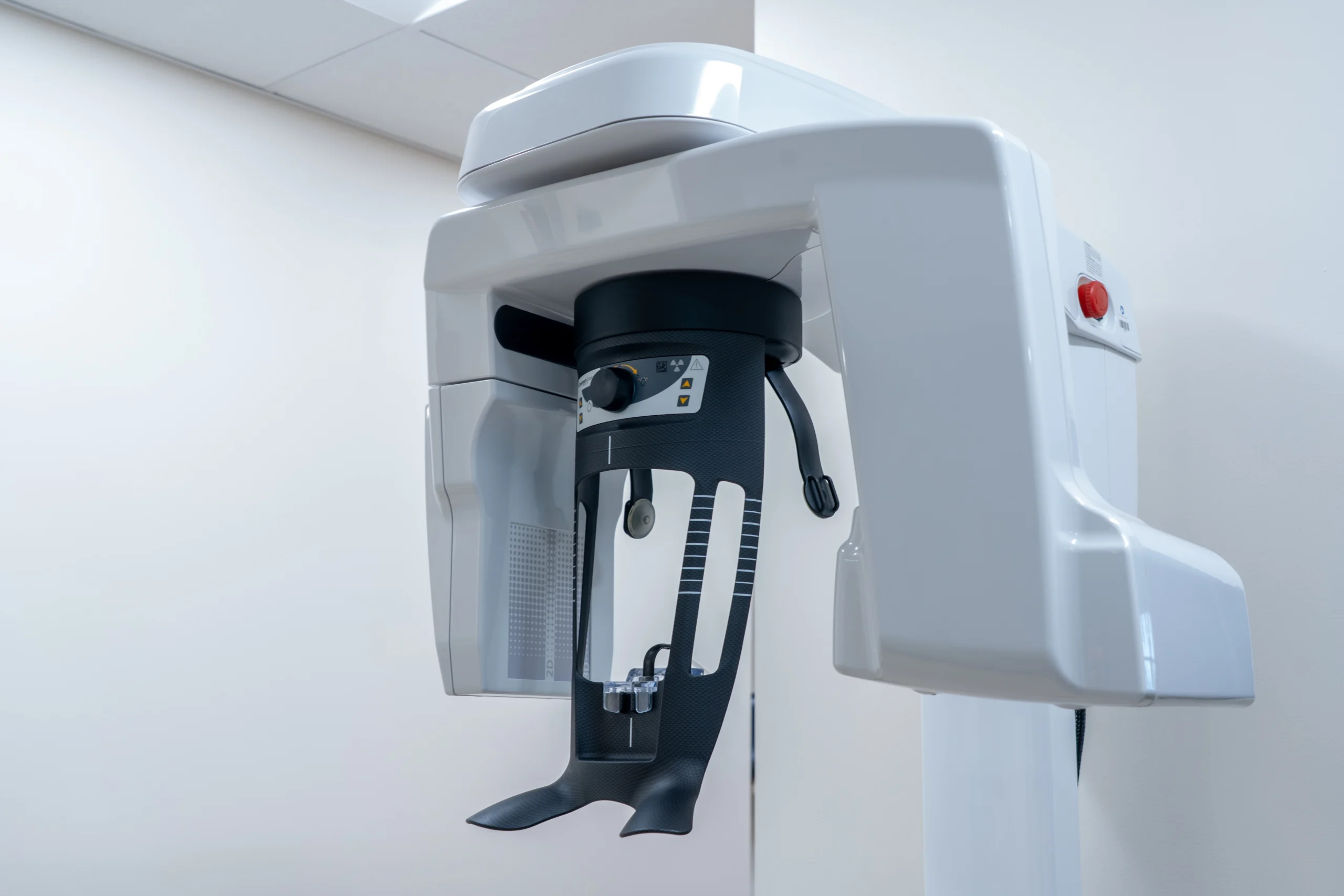
Cone beam computed tomography, or CBCT, is a dental imaging technology that produces three-dimensional views of the teeth, jaws, bone, and nearby structures. Unlike standard dental X-rays, which provide two-dimensional images, CBCT allows us to examine an area from different angles.
If you visit our dentist in Coconut Creek, FL, with a concern that requires more detailed imaging, a CBCT scan may provide information that a visual examination or routine X-rays alone cannot provide.
CBCT is not necessary for every dental visit or procedure. We recommend it when the additional information is relevant to your diagnosis or treatment plan.
When Might You Need CBCT Imaging?
CBCT has several uses in dentistry, but whether you need a scan depends on the type and complexity of your dental care.
Consider visiting a dentist near you for an evaluation if you need assessment or planning for concerns such as:
Dental implant placement
Certain surgical procedures
Impacted or unerupted teeth
Complex tooth or root anatomy
Jawbone evaluation
Selected endodontic concerns
Certain orthodontic needs
Unexplained dental symptoms requiring further investigation
A CBCT scan is a diagnostic tool, not a treatment by itself. We first evaluate your dental needs and then decide whether three-dimensional imaging would add useful information.
What Are the Benefits of CBCT Imaging?
Seeing an area in three dimensions can help us better understand anatomy that may be difficult to assess with conventional imaging.
Benefits may include:
Detailed three-dimensional views
CBCT lets us examine dental structures from multiple perspectives.
More information for implant planning
We can evaluate available bone and nearby anatomy before implant placement.
Improved surgical planning
Detailed images may help us plan certain procedures more precisely.
Better visualization of hidden structures
We can view teeth, roots, bone, and surrounding anatomy in greater detail.
Useful measurements
Digital images can help us assess distances and dimensions.
More informed treatment discussions
Imaging can help us explain what we see and how it may affect your care.
If you are looking for CBCT imaging near you, we use this technology selectively. More imaging is not automatically better. The scan should have a clear diagnostic or treatment-planning purpose.
How Does the CBCT Imaging Process Work?
Having a CBCT scan is generally straightforward. The process usually includes:
Reviewing the reason for imaging
We first determine what information the scan needs to provide.
Preparing for the scan
We may ask you to remove jewelry, glasses, or other objects that could interfere with the images.
Positioning you correctly
We carefully position your head for the scan.
Keeping still briefly
The scanner rotates around your head while capturing the images.
Creating the 3D view
The imaging software uses the captured data to create detailed three-dimensional images.
Reviewing the findings
We examine the relevant anatomy and use the information as part of your diagnosis or treatment planning.
The scan itself is usually brief, although reviewing and interpreting the images takes additional time.
How Is CBCT Used for Dental Implant Planning?
Dental implants need adequate support from the jawbone and careful consideration of surrounding anatomical structures. A visual examination alone cannot provide all of that information.
CBCT imaging can help us assess the height, width, and shape of the available bone. It can also show nearby structures that we need to consider when planning implant placement.
This information does not guarantee that someone is a candidate for an implant. Your oral health, gum condition, medical history, bone availability, and other factors still need to be evaluated.
As part of implant care, CBCT imaging can provide information that helps us plan implant placement more precisely.
Is CBCT the Same as a Regular Dental X-Ray?
No. While both can provide important diagnostic information, they serve different purposes.
Routine dental X-rays provide two-dimensional images and are often enough for evaluating cavities, bone levels, individual teeth, and many common concerns. CBCT produces three-dimensional images and may be appropriate when conventional imaging does not provide the information we need.
Because CBCT uses ionizing radiation, we use it only when the expected diagnostic or treatment-planning benefit justifies the exposure.
Why Choose Quality Dentistry for CBCT Imaging?
Advanced imaging is most valuable when it supports careful diagnosis and treatment planning. At Quality Dentistry, we combine CBCT technology with a personalized, conservative approach to care.
You can expect:
Advanced digital dentistry
Quality Dentistry offers in-office CBCT imaging along with digital X-rays, intraoral cameras, digital scanning, and other digital treatment-planning tools.
Radiologist review
We can send CBCT scans to a licensed dental radiologist for an independent review and written diagnostic report.
Advanced implant planning
CBCT imaging can support implant and full-mouth treatment planning by providing detailed information about the jawbone and surrounding anatomy.
Whole-mouth and conservative care
Dr. George Sifain considers how your dental findings fit into your overall oral health and recommends imaging and treatment only when they have a clear purpose.
Personalized, unhurried care
We take time to explain why we recommend a scan, what information we are looking for, and how the findings may affect your care.
Collaborative care
For complex cases, the practice can work with dental specialists, radiologists, and medical professionals when appropriate.
See More Before Planning Your Treatment
When a dental procedure involves structures we cannot fully evaluate during a routine examination, three-dimensional imaging can give us a better view. At Quality Dentistry, we use CBCT imaging in Coconut Creek, FL, as an important part of planning certain implant, surgical, and complex dental treatments.
Contact us to schedule an evaluation. We can determine whether CBCT imaging is appropriate and explain how we use the information in your care.
FAQs
How long does a CBCT scan take?
The image-capturing portion is generally brief. Your overall appointment may take longer because of preparation and review of the findings.
Do I need a CBCT scan before every dental implant?
The imaging required depends on the individual case. We determine what diagnostic information we need before planning implant treatment.
Does CBCT imaging use radiation?
Yes. CBCT uses ionizing radiation. We recommend it when the expected diagnostic or treatment-planning benefit justifies the exposure.
Can I move during the scan?
You will need to remain still while the scanner captures the images because movement can affect image quality.
Will the CBCT scan tell me whether I can get dental implants?
It provides important information about your bone and surrounding anatomy, but implant candidacy depends on several factors. We consider the scan together with your examination, oral health, and medical history.