
Dental Bonding in Coconut Creek, FL
Dental Bonding Near You
A small chip, narrow gap, or uneven edge can stand out even when the rest of your smile is healthy. At Quality Dentistry, we provide dental bonding in Coconut Creek, FL, as a conservative cosmetic option to make small changes to a tooth’s shape or appearance.
If you are looking for dental bonding near you, we can evaluate the area that concerns you and determine whether bonding is appropriate. The treatment uses tooth-colored composite resin and can often address minor cosmetic imperfections without requiring a more extensive restoration.
What Is Dental Bonding?
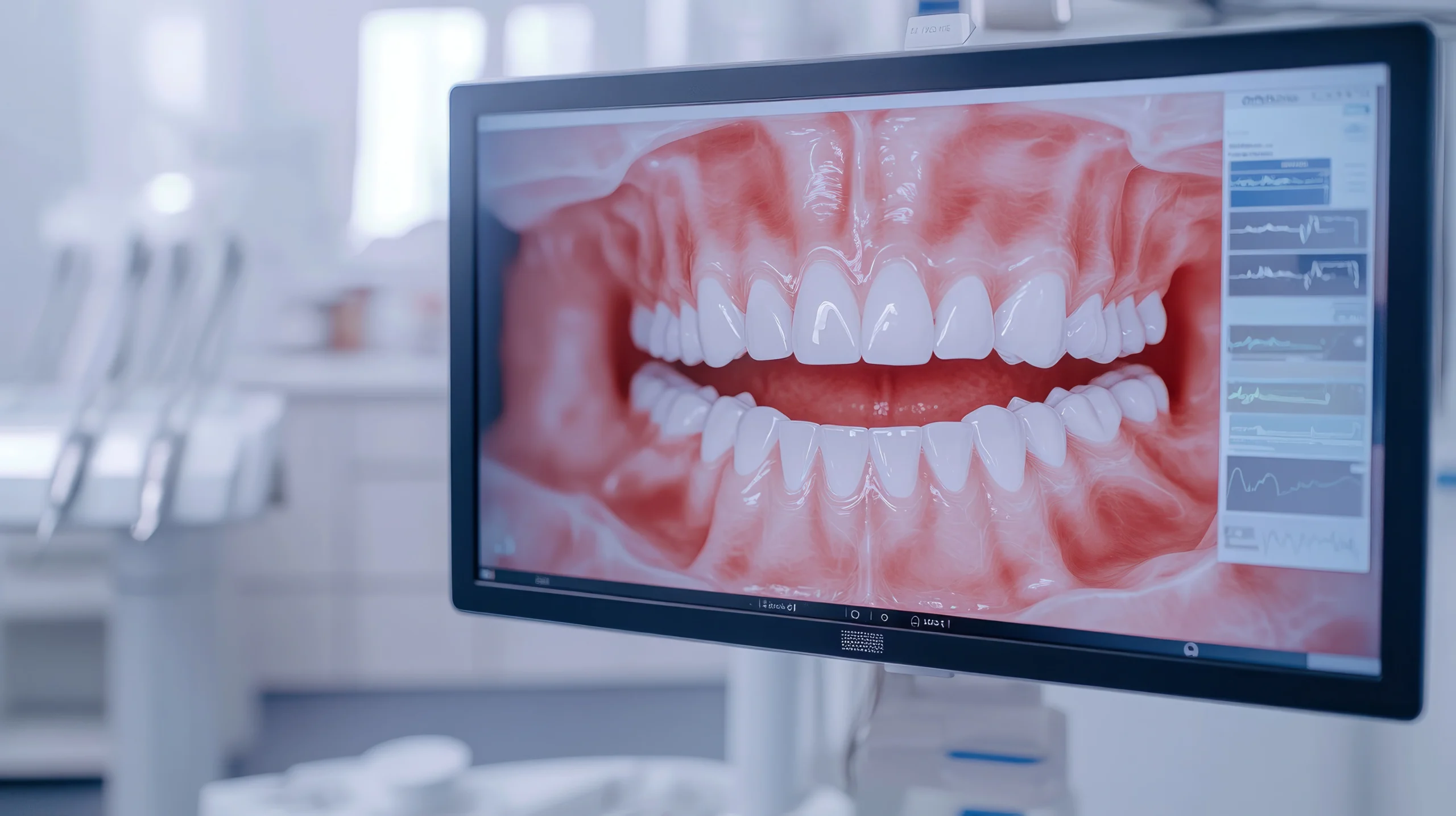
Dental bonding involves applying composite resin directly to a tooth and carefully shaping it to achieve the planned result. We select a material that blends with the surrounding tooth structure, then harden, finish, and polish it.
Because we add bonding directly to the tooth, it can be useful when only a modest change is needed. When you visit our dentist in Coconut Creek, FL, we can determine whether bonding provides enough strength and coverage for the concern being treated.
When Might You Consider Dental Bonding?
Bonding can be useful for certain cosmetic concerns and minor tooth damage. It is not intended to solve every problem, particularly when a tooth has extensive decay, a large fracture, or significant structural weakness.
Consider speaking with a dentist near you if you have:
A small chip in a front tooth
Minor gaps between certain teeth
An uneven or irregular tooth edge
A tooth that appears slightly shorter than neighboring teeth
Minor changes in tooth shape you would like to discuss
An area where tooth-colored resin could improve appearance
We assess the tooth before recommending treatment. If another option would provide better support or a more predictable result, we will explain why.
What Are the Benefits of Dental Bonding?
Dental bonding can offer a straightforward way to make smaller changes without automatically moving to veneers or crowns.
Potential benefits include:
Conservative treatment
Bonding often requires little alteration of healthy tooth structure.
Natural-looking material
We can choose composite resin to match nearby teeth.
Versatile use
The material can address several minor shape and surface concerns.
Direct application
We place and shape the resin directly on the tooth rather than fabricating a separate restoration.
Repairable material
In some situations, we can repair or refresh damaged bonding.
Customized results
We adjust the shape and finish according to the tooth being treated.
How Does Dental Bonding Work?
When we provide dental bonding in Coconut Creek, FL, we first examine the tooth and discuss the change you want. The exact steps vary slightly according to the area being treated.
Treatment generally involves:
Selecting the shade
We choose composite resin that matches your tooth color.
Preparing the surface
We prepare the tooth surface so the bonding material can adhere properly.
Applying the resin
We place composite resin directly onto the selected area.
Shaping the material
We contour it to create the intended size, edge, or form.
Hardening the resin
We use a curing light to harden the material.
Finishing and polishing
We refine and polish the bonded area to create a smooth surface.
Anesthesia may not be necessary when treatment is limited to a cosmetic surface change, although this depends on what the tooth needs.
How Do You Care for Bonded Teeth?
Bonded teeth still require routine oral hygiene. Brush twice daily with fluoride toothpaste, clean between your teeth, and keep up with recommended dental visits.
If you are thinking about getting dental bonding near you, remember that composite resin is durable, but it is not indestructible. Avoid biting fingernails, opening packages, chewing ice, or biting hard objects with your teeth. These habits place unnecessary stress on the resin.
Bonding can also stain over time, particularly with frequent exposure to strongly pigmented foods, drinks, or tobacco. We can discuss maintenance based on your habits and the location of the bonding.
Why Choose Quality Dentistry for Dental Bonding?
Small cosmetic changes deserve careful planning too. At Quality Dentistry, we consider the tooth’s appearance, health, structure, bite, and surrounding teeth before recommending treatment.
Our approach includes:
Whole-mouth and conservative approach
Dr. George Sifain considers your tooth structure, bite, oral health, existing dental work, and cosmetic goals and recommends only treatments with a clear purpose.
Personalized, unhurried care
We take time to understand what you want to change, explain your options, and answer your questions before treatment.
Comprehensive cosmetic care
We offer bonding, composite and porcelain veneers, whitening, clear aligners, and smile makeovers, allowing us to compare different options when more than one treatment could address your concern.
Natural-looking planning
We consider shade, shape, proportions, and the surrounding teeth when planning cosmetic bonding.
Conservative alternatives
When bonding can achieve the desired change, it may allow us to avoid a more extensive restoration.
Clear cost discussions
We discuss expected treatment costs before you decide to move forward.
Make a Subtle Change to Your Smile
A small adjustment can sometimes make a noticeable difference without requiring extensive cosmetic treatment. Contact Quality Dentistry to schedule an evaluation and learn whether bonding may be appropriate for the tooth that concerns you.
FAQs
Is dental bonding permanent?
No. Composite bonding can last for years, but it can wear, chip, or stain over time. How long it lasts depends on factors such as the location of the bonding, your bite, oral hygiene, and habits.
Does dental bonding require removing enamel?
Bonding often requires little or no removal of healthy enamel. The amount of preparation depends on the tooth and treatment goal.
Can bonding close a gap between teeth?
It may be suitable for certain small spaces. Larger gaps or spacing related to tooth position may be better addressed with another treatment.
Can bonded teeth be whitened later?
Whitening products do not change the color of composite resin the way they whiten natural teeth. If you are considering whitening, treatment order and shade matching should be discussed beforehand.
How do I know whether I need bonding or a veneer?
That depends on the amount of change needed, condition of the tooth, cosmetic goal, and other clinical factors. We can compare appropriate options after examining your smile.