
Dental Crowns in Coconut Creek, FL
Dental Crowns Near You
A tooth can reach a point where a filling is no longer enough to restore what has been lost. A large cavity, fracture, or previous treatment may leave it too weak for a smaller repair. At Quality Dentistry, we provide dental crowns in Coconut Creek, FL, to cover and protect teeth that need more support while restoring their shape and function.
If you are looking for dental crowns near you, we first examine the tooth and determine why it has become damaged. A crown is not automatically the answer for every weakened tooth. We consider how much healthy structure remains and whether another option may be appropriate.
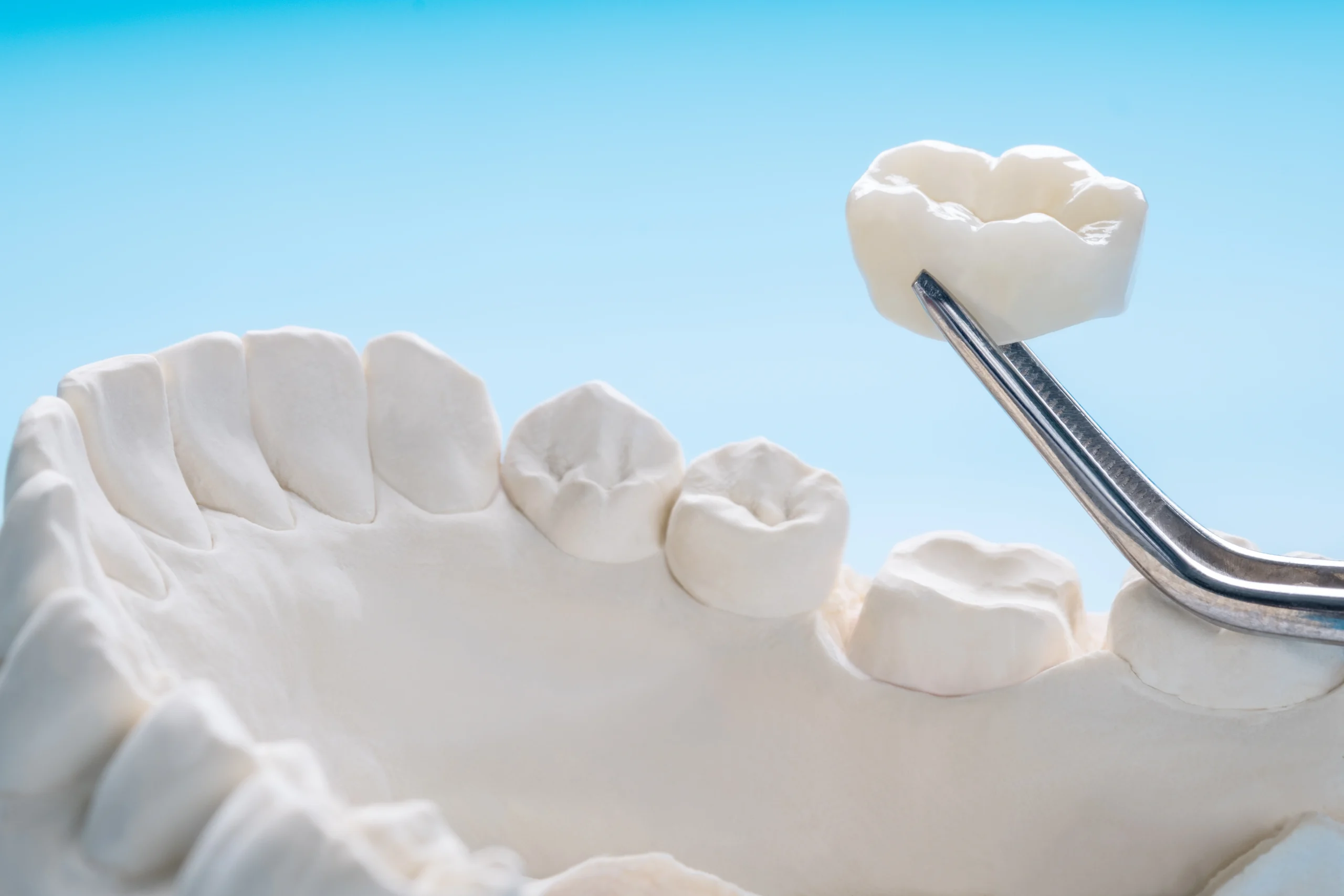
What Are Dental Crowns?
A dental crown is a custom restoration that covers the visible portion of a tooth. It can rebuild a tooth that has lost significant structure and provide protection during everyday biting and chewing.
Dental crowns come in different materials. The right choice depends on factors such as the tooth’s location, the chewing forces it receives, your bite, and appearance.
Our dentist in Coconut Creek, FL, can determine whether a crown is necessary or whether we can restore the tooth another way.
When Might You Need a Dental Crown?
Sometimes a tooth looks relatively normal but has become structurally weak. In other cases, the damage is easy to see.
Consider seeing a dentist near you if:
A tooth has a large cavity
Part of a tooth has fractured
An old restoration is failing
A tooth is badly worn
There is not enough structure for a filling
A root canal-treated tooth may need additional protection
You experience discomfort when biting
An existing crown feels loose or damaged
Whether a crown is appropriate depends on the individual tooth. We evaluate the cause and extent of the problem before recommending treatment.
What Are the Benefits of Dental Crowns?
A crown can provide a more substantial restoration when damage has weakened a tooth beyond what a filling can reasonably repair.
Potential benefits include:
Rebuilding lost structure
A crown restores the shape of a tooth that has been significantly damaged.
Supporting a weakened tooth
A crown can protect the tooth from everyday chewing forces.
Restoring function
A crown can help restore comfortable biting and chewing.
Improving appearance
A crown can address visible damage, discoloration, or changes in tooth shape when appropriate.
Protecting certain treated teeth
Some teeth may benefit from a crown following root canal therapy.
Replacing an old crown
We can evaluate a damaged or failing crown and determine whether it needs replacement.
We explain why we’re considering a crown and what alternatives may be available.
How Does the Dental Crown Process Work?
Getting a crown generally involves preparing the tooth and creating a restoration that fits comfortably within your bite. When we provide dental crowns in Coconut Creek, FL, we start with careful planning.
The process may include:
Evaluating the tooth
We examine the damage and determine whether the tooth can support a crown.
Taking diagnostic images
We may take X-rays to assess areas beneath the visible tooth.
Preparing the tooth
We address damaged areas and shape the tooth to make room for the restoration.
Capturing its shape
We may use digital scanning to collect the information needed to design the crown.
Creating the restoration
Your scan or impression guides the crown’s design and fabrication.
Checking the fit
We assess the shape, contacts, and how the crown feels when you bite.
Securing the crown
Once the fit is acceptable, we attach the restoration to the prepared tooth.
Your treatment may vary depending on the tooth’s condition and the type of crown used.
What Should You Expect After Getting a Crown?
You may notice temporary sensitivity or tenderness after we prepare the tooth. If we used local anesthetic, wait until the numbness wears off before eating.
Once your crown is in place, it should feel comfortable when you bite. Let us know if your bite feels uneven, the crown feels loose, or the discomfort doesn’t settle.
If you are looking for dental crowns near you, we also discuss what to watch for after treatment and how to care for the restored tooth at home.
How Do You Care for a Dental Crown?
A crowned tooth still needs daily brushing and cleaning between the teeth. Pay particular attention around the edge where the crown meets your natural tooth because plaque can collect there.
Avoid chewing ice or using your teeth to crack hard objects. These habits can damage natural teeth and restorations.
Crowns also need regular checkups during routine dental visits. Although the crown itself cannot develop a cavity, the natural tooth supporting it can still experience decay.
Why Choose Quality Dentistry for Dental Crowns?
A crown can remain part of your smile for years, so careful planning matters. At Quality Dentistry, Dr. George Sifain considers the tooth’s condition and how the restoration will support your overall oral health.
You can expect:
Conservative care
Dr. Sifain recommends treatment only when it has a clear purpose.
Personalized, unhurried care
We take time to understand your concerns, explain your options, and plan treatment without rushing or pressuring you.
Advanced digital dentistry
Digital scanning can help us capture detailed information for restorative planning and crown design.
Experience with complex restorative care
We provide crowns as part of both individual tooth restoration and more comprehensive full-mouth rehabilitation.
Care for anxious patients
We provide calm, respectful, and judgment-free care for patients who feel nervous about dental treatment.
Transparent costs and payment options
We discuss expected costs before treatment, work with PPO and HMO plans, and offer financing through Cherry, CareCredit, and Sunbit.
Give a Weakened Tooth the Support It Needs
A badly damaged tooth does not always have to be lost. When we can restore the tooth, a crown may provide the protection needed to restore its shape and function. At Quality Dentistry, we recommend dental crowns in Coconut Creek, FL, according to the condition of the individual tooth rather than as a one-size-fits-all solution.
Contact our team to schedule an evaluation and find out whether a dental crown is appropriate for your smile.
FAQs
How long can a dental crown last?
There is no fixed lifespan. Your bite, oral hygiene, habits, crown material, and condition of the supporting tooth can all affect longevity.
Can a crowned tooth still get a cavity?
Yes. Decay can develop in the natural tooth, particularly near the edge of the crown, which is why daily cleaning remains important.
Can a cracked crown be repaired?
It depends on the type and extent of damage. We need to examine the crown and supporting tooth to determine whether repair or replacement is appropriate.
Why does my old crown have a dark line around it?
Several factors can affect the appearance of a crown margin, including the restoration material, gum changes, or the underlying tooth. An examination can identify the cause.
Can a crown improve the appearance of a damaged tooth?
Yes, in appropriate cases. Appearance can be considered alongside strength, bite, remaining tooth structure, and your overall treatment needs.