
Gum Recession Treatment in Coconut Creek, FL
Gum Recession Treatment Near You
When your gums pull away from a tooth, more of its surface or root can become exposed. You may notice that a tooth looks longer, feels more sensitive, or has a visible change along the gumline. At Quality Dentistry, we provide gum recession treatment in Coconut Creek, FL, based on what is causing the recession and how much the supporting tissues have been affected.
If you are looking for gum recession treatment near you, the first step is finding out why your gums have receded. Treatment can vary considerably depending on whether the change is related to periodontal disease, brushing habits, tooth position, tissue thickness, or other factors.
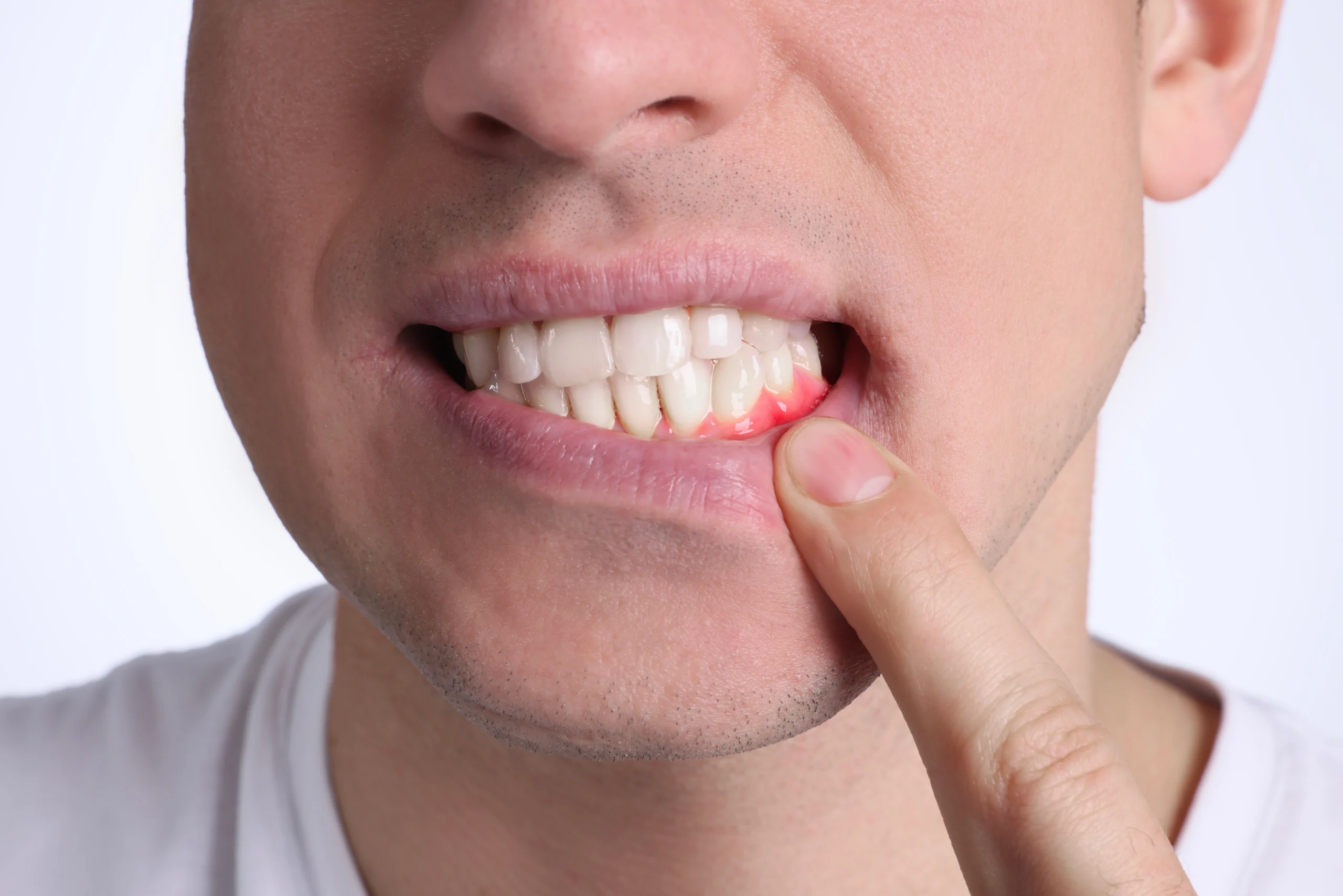
What Is Gum Recession?
Gum recession occurs when the gum margin moves away from its normal position around a tooth, exposing more tooth structure. In some cases, part of the root becomes visible.
Recession can affect one tooth or several areas of the mouth. Because exposed root surfaces are not protected by enamel, they can become more sensitive and more vulnerable to root decay.
When you visit our dentist in Coconut Creek, FL, we can evaluate the extent of the recession and determine whether it is stable, progressing, or associated with another oral health concern.
When Might You Need Gum Recession Treatment?
Some recession develops gradually and can be easy to overlook. Patients often notice changes in appearance or sensitivity first.
Consider consulting a dentist near you if you have:
Teeth that appear longer than before
Visible tooth roots
Sensitivity near the gumline
Notches or changes around exposed root surfaces
Uneven gumlines
Bleeding or inflamed gums
Recession that appears to be getting worse
Difficulty keeping exposed areas comfortable and clean
Treatment is not identical for every case. Mild, stable recession may require monitoring and changes in home care, while more significant cases may require additional periodontal treatment.
What Can Cause Gum Recession?
Understanding the cause is important because treating the appearance of the gumline may not address the underlying problem.
Contributing factors can include:
Periodontal disease and loss of supporting tissues
Traumatic or improper brushing habits
Naturally thin gum tissue
Certain tooth positions
Plaque-related inflammation and tartar buildup
Trauma to the gum tissue
Tobacco use
More than one factor may be involved. We evaluate your teeth, gums, bite, tooth position, and oral hygiene habits before discussing treatment.
What Are the Benefits of Treating Gum Recession?
Appropriate care can help protect the affected area and address factors that may contribute to further recession.
Depending on your condition, treatment may help:
Protect exposed roots
Preventive or restorative treatment can help protect vulnerable root surfaces.
Manage sensitivity
Desensitizing products or other treatments may help reduce discomfort.
Address gum disease
We may need to treat periodontal disease when it contributes to recession.
Improve home care
Adjusting your brushing technique can help reduce unnecessary trauma to the gumline.
Monitor progression
Regular measurements help us track whether the recession is changing over time.
Improve root coverage
Selected cases may benefit from gum grafting or another periodontal procedure designed to cover exposed roots.
How Is Gum Recession Treated?
When providing gum recession treatment in Coconut Creek, FL, we choose the approach based on the cause and severity rather than using one procedure for every patient.
Treatment may involve:
Home-care changes
We may recommend adjustments to your brushing technique or oral hygiene routine.
Sensitivity management
We may recommend products or treatments for sensitive exposed roots.
Periodontal therapy
We may need to control gum disease before considering other treatment.
Monitoring
We may measure and monitor stable areas over time.
Restorative care
We may restore certain worn or damaged root surfaces when appropriate.
Periodontal procedures
Some cases may benefit from gum grafting or another surgical procedure to improve tissue coverage and protect exposed roots.
If your condition requires specialist-level periodontal care, we can explain the appropriate next steps and coordinate a referral when needed.
How Can You Care for Receding Gums?
Gentle, consistent oral hygiene is important. Brushing harder does not clean teeth better and can contribute to gum trauma when the technique is too aggressive.
If you are seeking gum recession treatment near you, we can show you how to clean vulnerable areas without unnecessarily irritating the gumline. Cleaning between your teeth and maintaining recommended professional visits are equally important.
If you have periodontal disease, following your maintenance schedule can help control the condition and allow us to monitor the supporting tissues.
Why Choose Quality Dentistry for Gum Recession Treatment?
Gum recession can have several causes, so treatment should begin with understanding why the tissue has receded and how the condition fits into your broader oral health.
Our approach includes:
Whole-mouth approach
Dr. George Sifain considers your gums alongside tooth position, bite function, tooth structure, existing dental work, and other factors that may affect your long-term oral health.
Conservative treatment philosophy
Stable recession does not automatically require surgery. We recommend treatment based on what your gums and exposed root surfaces actually need.
Personalized, unhurried care
We take time to explain what may be contributing to the recession, what we are monitoring, and which treatment options may be appropriate.
Comprehensive periodontal care
Quality Dentistry provides periodontal treatment for gum disease as well as gum grafting for selected cases of recession.
Digital diagnostic support
Dental X-rays and other imaging can help us evaluate supporting bone and related structures when needed.
Collaborative care
If your recession requires specialist-level periodontal treatment, we can coordinate care with an appropriate dental specialist.
Protect Your Gums and Exposed Tooth Surfaces
Changes along your gumline deserve attention, particularly when recession is progressing or causing sensitivity. Contact Quality Dentistry to schedule an evaluation and learn which approach may be appropriate for you.
FAQs
Can receding gums grow back on their own?
Lost gum tissue generally does not grow back on its own. Treatment depends on the cause, extent of recession, symptoms, and condition of the surrounding tissues.
Does gum recession always mean I have gum disease?
No. Periodontal disease is one possible cause, but tissue thickness, tooth position, traumatic brushing habits, and other factors can also contribute.
Can brushing too hard cause recession?
Traumatic brushing habits may contribute to gum recession and tissue damage. We can review your brushing technique and recommend adjustments when needed.
Why are exposed tooth roots sensitive?
Unlike the crowns of your teeth, root surfaces are not covered by enamel. Exposure can make the underlying dentin more responsive to temperature and other stimuli.
Will I need gum grafting?
Not necessarily. Whether gum grafting is appropriate depends on the amount and location of recession, your symptoms, tissue characteristics, and other clinical factors.